
Divorce Buyout Florida Mortgage Refinance
Divorce Mortgage Refinance In Florida: You’re Not Alone
Florida ranks among the states with the highest divorce rates. Around 40% to 50% of marriages in Florida eventually end in divorce. Florida consistently ranks among the highest in the nation for divorce rates, with about 3.4 Florida divorce mortgage buyouts per 1,000 residents annually, above the national average of 2.4 per 1,000.
Florida Divorce Mortgage Refinance Concerns:
| Concerns | Actions Needed |
| Credit Score | ALL CREDIT WELCOME – Bad Credit Cashout Refinance In Florida. |
| Equity | Is there enough equity to satisfy the buyout agreement? |
| Income | Is your sole income enough to qualify for the new mortgage amount? No Tax Return – No Income verification mortgage options. |
| Title | The title company will pay off the departing spouse in exchange for the title. |
| Property Types | Residential – Commercial – Land – All Property Types Welcome |
| Contingency | What’s “Plan B” if the refinance is declined? The ex-spouse who remains in the home can sign a promissory note and a subordinate mortgage to tie the debt to the property, thereby compensating the departing spouse for their share of the equity. |
| Credit Situations | Refinancing balloon mortgages, Collection accounts, judgments, adjustable rates, liens, property taxes, judgments, Lis pendens, Claims of lien, Florida tax liens, Bankruptcy, Code violations, Final judgments, Buyouts, Late payments, Tax lien, Department of Revenue, Behind on HOA, Stop-Foreclosure, Probate, Divorce, Partner buyouts, Refinance IRS liens, Judgments, Settlements, all of it. |
Components to Divorce Buy-Out Refinance
Equity Buyout Strategy: When one spouse wants to keep the house, a cash-out refinance is used to buyout the departing spouse’s share of equity. This only works if there is enough equity to work.
Qualification Hurdles: Sometimes, qualifying can be challenging on a single income. The retaining spouse must qualify for the new mortgage at the time, with a higher interest rate and a higher loan amount, on a single income.
Alimony OR Support as Income: Alimony and child support can be used as mortgage-qualifying income if there is a documented 6+ months history. This follows a “6 OR 36” rule: 6 months of documented receipt and a requirement that payments must continue for at least 36 months after the loan closes.
Removing Spouse from Title: A quitclaim deed is typically executed to transfer ownership, thereby removing the non-retaining spouse’s ownership interest.
Timing: A final, signed marital settlement agreement (MSA) or divorce decree is generally required by lenders before closing.
Divorce Mortgage Refinance ✔ Florida Checklist
- Divorce Decree buyout agreement, including the amount owed and payment deadlines.
- Most Recent Paystub, W2S, 1099s, or Tax returns, No Doc (if applicable)
- Assets – Bank Statements – 2 most recent statements, including all assets.
- Retirement OR Disability OR Social Security Awards Letter, most recent
- Documentation of any other sources of income
- Documentation to support the funds needed for your transaction.
- Photo ID – must be government-issued (typically driver’s license or ID card)
- Copy of the Tax Bill, Insurance Bill, and HOA, if applicable
- Most recent Mortgage Statement
- Copy of the Survey
Divorce Florida Mortgage Refinancing Includes:
- Refinance Florida past due HOA:
- Refinance Florida Lis Pendens :
- Refinance Florida Claim of lien :
- Refinance To Pay Florida Tax Lien :
- Refinance Florida Code Violations :
- Refinance Florida property Taxes :
- Refinance Florida Final Judgment :
- Buy-Out-Florida Mortgage Refinance :
- Mortgage with 30-60-90 day late payments :
- Florida mortgage with collection accounts:
- Refinance To Pay Florida Property Taxes:
- Buy-Out-Florida Mortgage Refinance :
- Cashout Refinance to Pay Florida Property Taxes
- Refinance Florida Department of Revenue Warrant :
- Refinance Florida Mortgage While in Bankruptcy :
- NO Credit Score Florida Mortgage Lenders :
- Stop Foreclosure Bad Credit Florida Mortgage Lenders :
- Refinance Florida Homeowners Association Lis Pendens :
- Partial Construction Florida Bad Credit Mortgage Lenders :
- Foreign National Bad Credit Florida Mortgage Lenders :
- Bad Credit Cash Out Refinance Florida Home Listed For Sale:
Divorce Florida Refinance Property:
- Single-family home – Divorce Mortgage Refinance In Florida :
- Townhouse- Divorce Mortgage Refinance In Florida :
- Manufactured home – Divorce Mortgage Refinance In Florida :
- Multi-Family – Divorce Mortgage Refinance In Florida :
- Villa – Divorce Mortgage Refinance In Florida :
- Condos- Florida Bad Credit approved Condos:
- Commercial – Bad Credit Commercial Mortgage Lenders:
- Condotel or Condo Hotel – Bad Credit Mortgage Lenders:
- Jumbo Luxury Bad Credit Mortgage Lenders:
- Co-op Florida – Bad Credit Mortgage Lenders:
- Non-Warrantable Condo – Bad Credit Mortgage Lenders:
- Bad Credit Florida Non-Resident Mortgage Lenders :
- Land – Florida Bad Credit Land Lenders:
Refinance Commercial To Buyout Spouse:
- Bad Credit Divorce Refinance Commerical Florida Mortgage Lenders:
- Parking lot Florida Divorce Refinance Mortgage Lenders:
- Agricultural Divorce Refinance Florida Mortgage Lenders:
- Car Dealership Divorce Refinance Florida Mortgage Lenders:
- Industrial Florida Divorce Refinance Mortgage Lenders:
- Assisted Living Home Florida Divorce Refinance Mortgage Lenders:
- Funeral Home Florida Divorce Refinance Mortgage Lenders:
- Multifamily Divorce Refinance Florida Mortgage Lenders:
- HOA Mortgage Lenders In Florida:
- Vacant Land Florida Divorce Refinance Lenders:
- Commerical Land Florida Divorce Refinance Lenders:
- Hotel Divorce Refinance Florida Mortgage Lenders:
- Motel Divorce Refinance Florida Mortgage Lenders:
- Inherited Commercial Property Refinance Before Probate:
- Warehouse Florida Divorce Refinance Mortgage Lenders:
- Stop Foreclosure Commerical Mortgage Lenders Florida:
- Finish Construction Florida Divorce Refinance Lenders:
- Commerical Refinance Before Probate In Florida:
- Refinance Divorce Refinance Florida Commerical Pace Loan:
- Luxury Mansion Florida Divorce Refinance Mortgage Lenders :
- Cashout Refinace Commercial Property Listed For Sale In Florida:
- Commerical Florida Refinance Buyout Partner:
- Golf Course Florida Divorce Refinance Mortgage Lenders:
Divorce Refinance Florida Condo Buyout:
Divorce Mortgage Refinance
- Non-Warrantable Florida Divorce Mortgage Refinance Condos Lenders
- No Budget Divorce Mortgage Refinance No Reserves Florida Condos
- NO Tax Return Florida Divorce Mortgage Refinance condo mortgage lenders
- Bad Credit Florida Divorce Mortgage Refinance Condo Mortgage
- Jumbo Florida Non-Warrantable Florida Divorce Mortgage Refinance Condo
- Divorce Mortgage Refinance Florida Non-Warrantable Condo
- NO Questionnaire Divorce Mortgage Refinance Florida Condo
- ITIN Divorce Mortgage Refinance Florida Non-Warrantable Condo Lenders
- No Master Windstorm Insurance Florida Condo Mortgage Refinance
Bad Credit Divorce Mortgage Cashout Refinance:
Yes, our bad credit and hard money Florida mortgage lenders offer many bad credit divorce mortgage cashout refinnace solutions for all situations including: Florida real estate investors: divorce refinace buyout, Inheritance, Residential, Commercial, and bad credit land loans: Cashout refinance in Florida before probate: 30+, 60+, 90+, or 120+day + plus late mortgage payments: bad credit, hard-money, and Emergency mortgage loans on Residential, Commercial, Land, and manufactured homes; bad credit cashout reverse mortgages; stop foreclosure with no tax returns; and refinance before probate and refinance Florida property taxes. We are an equity opportunity bad credit Florida mortgage broker. All bad credit Florida mortgage approvals are case+by+case. Not everyone with bad credit will qualify, but we will try.
Florida Divorce Refinance Buyout Checklist
- Preliminary planning: Confirm the divorce mortgage refinancing settlement terms, including who keeps the Florida home, the buyout amount, and the timing. Consult a family-law attorney, a Florida mortgage broker OR Florida mortgage lender, and a title agent early.
- Determine refinance need structure: cash-out, divorce, mortgage refinance (rate-and-term) vs. new purchase by spouse. Decide who will hold the new loan and whether seller financing or a promissory note is an interim option.
- Financial qualification: Remaining owner: obtain lender prequalification OR preapproval showing solo capacity (income, DTI, credit). Gather 2 years of tax returns, pay stubs, bank statements, asset docs, and P&L if self‑employed.
- Valuation & equity calculation: The mortgage lender will order a professional appraisal. Calculate net equity: appraised value − existing mortgage payoffs − closing costs − liens = cashout for your buyout.
- Title & lien clearance-Order title search OR commitment to identify mortgages, judgments, tax liens, HOA liens, mechanic’s liens.Clear outstanding liens or arrange escrow OR holdback with the title company as negotiated.
- Legal documentation: Draft buyout agreement provisions into a Marital Settlement Agreement (MSA) or court order specifying payoff, timing, and deed transfer conditions. If a quitclaim deed is used, note that it does not remove mortgage liability; plan for a refinance or a lender release. If needed, include indemnity language protecting the non‑borrowing spouse until the loan is removed.
- Lender & underwriting requirements: Provide lender with condo OR HOA documents if applicable; confirm warrantability. Disclose any litigation, bankruptcy, probation, or judgments. Confirm lender acceptance of POA, remote signing, or a court‑appointed signatory if one spouse cannot attend the closing.
- Insurance & HOA OR Condo-Buyer obtains homeowner OR hazard insurance naming the new Florida mortgage lender as mortgagee. Confirm flood insurance requirements and transfer OR update policy. Request HOA estoppel, dues status, pending assessments, and transfer fees.
- Closing logistics & timing: Coordinate the refinance closing date with deed recording and court deadlines (if the decree conditions the closing). Title company to prepare escrow instructions, payoff statements, and distribution of buyout funds. Ensure funds routing for equity payment to the selling spouse is documented in the HUD OR ALTA settlement statement.
- Post‑closing steps: Record new deed (if applicable) and confirm mortgage removal OR release for departing spouse. Obtain lender confirmation that the departing spouse has been removed from the loan or the payoff. Update insurance, tax-billing, and estate-planning documents as needed.
- Contingencies & protections- Use escrow holdback for unresolved repairs or liens with defined release conditions. Consider a temporary indemnity agreement if the departing spouse remains on the mortgage until the refinance is completed. If financing is tight, explore bridge OR portfolio loans, seller carryback, or reduced cash‑out to meet LTV limits.
Cash Out Mortgage Refinancing To Buyout Spouse In Florida:
- Provide cash for the buyout. Cash-out refinancing (often called cash‑out) converts home equity into funds to pay the other spouse their share of equity.
- Meet lender requirements for title OR mortgage release- Courts and settlement agreements commonly condition deed transfers on removal from the mortgage or a lender’s written release, which usually requires refinance.
- Remove an ex from mortgage liability- Florida mortgage enders typically require the departing spouse to be removed from the promissory note or indemnified; cashout refinance replaces the joint loan with one in the remaining owner’s name.
- Solve qualification gaps-The spouse keeping the home may need to qualify alone (income, DTI, credit). A cash-out refinance confirms the borrower’s solo-qualifying ability and sets new loan terms.
- Address unequal financial obligations-Refinancing can consolidate, restructure, or extend payments to enable the buying spouse to afford mortgage payments post‑divorce.
- Cleanly finalize settlement terms-Lenders’ payoffs and escrowed distributions provide documented proof of settlement compliance for court records and decrees.
- Protect credit and future liability- Removing an ex from the mortgage prevents future credit damage and liability if payments lapse after the divorce.
Reasons People Need A Divorce Buyout Refinance in Florida
- Infidelity OR extramarital affairs
- Communication breakdown OR constant arguing
- Refinace Divorce buyout to Pay Lawyer Fees
- DUI Divorce Cashout Refinance After DUI in Florida
- Financial problems OR money conflicts
- Incompatibility OR growing apart
- Lack of commitment OR unequal effort in the relationship
- Emotional or physical abuse OR domestic violence
- Substance abuse OR addiction issues
- Frequent conflict over parenting OR child-rearing differences
- Sexual intimacy problems OR mismatch in needs
- Unrealistic expectations OR unmet needs
- Work-life imbalance OR job-related stress and absences
- Cultural or religious differences that cause conflict
- Infertility or disagreements about having children
- Legal troubles OR criminal issues – Jail, DUI, arrests, incarceration
- Mental health issues include untreated depression, anxiety, and personality disorders.
Divorce Refinancing On A Single Income:
Refinancing a Flroida mortgage during or after a divorce is often called a “divorce buyout,” “divorce refinance,” or “equity buyout” and is one of the most high-stakes financial moves a person can make. The primary goal is usually to remove one spouse from the loan and the title, but the process creates several specific concerns:
1. The “Single Income” Hurdle – This is the most common roadblock for most divorcing couples. When you purchased the Florida home, the mortgage lender likely qualified (2) two incomes. Now, that (1) one spouse keeping the house must qualify for the entire mortgage based on one income.
-
DTI Ratio: Florida Mortgage lenders typically want your mortgage payment to be around 1 OR 3 of your total monthly income. Taking on a full mortgage on one salary often pushes new singles past this limit.
-
Child Support Income: You can use alimony or child support as qualifying income, but only after you’ve received it consistently for 6+ months, and that income must continue for at least 3+ years to qualify. If not, check our No Income verification for Florida mortgage lenders. Additionally, a birth certificate to verify that the borrower’s 18th birthday is more than 3 years away. According to Check Alimony, Child Support, Equalization Payments, or Separate Maintenance and Freddie Mac Alimony, Child Support, and Separate Maintenance Payment Requirements.
2. Legal vs. Financial Responsibility – A common and dangerous misconception is that a Divorce Decree removes your name from the mortgage. It does not.
-
The Florida Mortgage Lender’s View: Your mortgage is a contract with a bank; your divorce is a contract with an ex-spouse. The Florida mortgage lenders do not care what the judge said—if both names are on the loan, both are 100% responsible for the mortgage payments until it’s paid in full or one spouse is refinanced off.
-
The Credit Risk: If your ex-spouse is awarded the house but fails to refinance your name off, and then misses a mortgage payment, your credit score will drop just as hard as theirs.
3. Cashout Buyout Mortgage Refinance – If there is significant equity in your home, the spouse staying usually has to “buy out” the other’s share. This requires a Florida divorce buyout agreement.
-
The Cash-Out Refinance: You aren’t just refinancing the remaining balance; you are taking out a larger loan to buy out your ex-spouse in cash. This could significantly increase your monthly mortgage payment if rates rise and you take out a much larger loan amount.
-
LTV Limits: Assuming your credit and income qualify, most Florida mortgage lenders won’t let you borrow more than 80% of the home’s value. If the buyout amount plus the existing mortgage exceeds that, you might not have enough equity for a buyout, and you may be stuck.
- The “Quitclaim Deed” Trap: Many people think signing a Quitclaim Deed solves the problem of transferring responsibility of the house from one person to another. The Reality: A Quitclaim Deed removes your name from the Title (ownership), but it does not remove your name from the Mortgage (debt).
-
The Danger: You could end up in a situation where you no longer own the house but are still legally obligated to pay for it.
5. Timing and Interest Rates – Rates May Have Gone Up, or Your credit has gotten worse?
-
Market Conditions: If you bought your Florida home years ago at a 4% interest rate, refinancing your Florida mortgage today might mean your interest rate jumps to 6% or 7%. This “rate shock” can make a previously affordable Florida mortgage suddenly unaffordable.
-
Deadlines: Florida Divorce decrees often set a strict timeline (e.g., “Refinance within 90 days”). If the market is bad or your credit is bruised, meeting that deadline can be incredibly stressful.
This website OR content provides general information that may not be correct and does not constitute legal advice or create an attorney-client relationship. The content is not guaranteed to be current or accurate. You should not act or refrain from acting based on this information without first seeking professional counsel from a licensed attorney
Possible Issues When Divorce Refinancing:
Qualifying: If you are the spouse keeping the Florida home, you must document sufficient income to cover the mortgage, debts, credit obligations, and potential child support payments.
Court Orders: A Florida court can order a spouse to refinance within a certain timeframe to remove the other party.
Documentation: Lenders will require the final divorce decree and the marital settlement agreement.
Equity Buyout: This allows the spouse remaining in the home to access the home’s equity to pay the departing spouse their share.
Timing: While you can cash out refinance during the divorce, doing so afterward is often more straightforward, as it allows Florida mortgage lenders to use a finalized court order for alimony or child support as income (usually requiring a history of receipt).
Protect Your Credit: If the mortgage is not refinanced, both parties remain liable, and a missed payment by one spouse can ruin the other’s credit.
Verify Equity: Calculate the equity by subtracting the current mortgage balance from the home’s market value.
Florida Dissolution of Marriage (Divorce)
Florida Divorce Information for Self-Represented
The Florida State Courts System’s Self-Help Center page provides family law forms approved by the Florida Supreme Court for self-represented litigants, including the Petition for Dissolution of a Florida Marriage. All forms are provided free of charge by the Florida Supreme Court. There’s also a link to the General Information for Self-Represented Litigants. This information will provide you with an overview of the court system, its participants, and its processes. It should be useful whether you want to represent yourself in your Florida divorce or better understand how family court works.
- Florida Family Law Forms: Please note that the information provided in this self-help section is NOT legal advice and should not be construed as such. If you have a question about a specific issue or do not understand the information presented, please contact an attorney.
- Do It Yourself Florida: DIY Florida helps you create legal documents by answering simple, specific questions about your situation. Those legal documents can then be filed electronically through the E-Portal or in person at your local clerk of court’s office to start a new court case or respond to an existing one.
Domestic Relations Florida Court Resources
Top Reasons People Need Divorce Refinancing:
- Infidelity OR extramarital affairs
- Lack of communication
- Constant arguing OR conflict
- Financial problems OR money fights
- Growing apart OR incompatibility
- Unrealistic expectations
- Lack of commitment
- Emotional neglect OR feeling unappreciated
- Physical or emotional abuse
- Substance abuse OR addiction
- Sexual incompatibility or dissatisfaction
- Loss of intimacy
- Mental health issues (untreated depression, anxiety)
- Chronic anger or temperament problems
- Gambling or other destructive behaviors
- Spending habits OR debt accumulation
- Job loss OR economic stress
- Career pressures OR long work hours
- Infertility or disagreement about children
- Disagreements over parenting or discipline
- Jealousy and possessiveness
- Controlling behavior OR lack of autonomy
- Different life goals or values
- Religious differences OR conflicts over faith
- Cultural or family background conflict
- Sexual orientation issues discovered later
- Domestic responsibilities imbalance (housework)
- In-law or extended‑family interference
- Relocation or unwillingness to move for spouse’s job
- Lack of trust (financial secrecy, hidden accounts)
- Dishonesty OR repeated lies
- Legal troubles or criminal activity
- Frequent separations OR long‑distance strain
- Loss of shared interests or hobbies
- Boredom OR routine fatigue in marriage
- Failure to resolve repeated grievances
- Poor conflict‑resolution skills
- Refusal to seek or accept counseling
- Early marriage OR immaturity at the time of marriage
- Rapid life changes (retirement, empty nest)
- Different approaches to money management
- Midlife crisis behavior or infidelity
- Pornography addiction or secrecy
- Physical health crises are straining the relationship
- Chronic illness OR caregiving stress
- Affairs via online dating OR social media infidelity
- Domestic violence restraining orders or fear
- Lack of sexual consent or coercion issues
- Different expectations about marriage roles
- Major personality clashes (narcissism, volatility)
- Alcohol misuse impacting family life
- Failure to support spouse’s career OR ambitions
- Unmet emotional needs or attachment issues
- Betrayal (financial, emotional, or legal)
- Parenting stepchildren OR blended‑family stresses
- Adoption disagreements or related issues
- Substance‑related legal penalties (DUIs, arrests)
- Disagreements over education or child schooling
- Chronic debt from one spouse’s actions
- Secret gambling losses or hidden liabilities
- Failure to provide emotional or financial support during crises
- Different retirement plans OR expectations
- Infidelity involving a close friend or family member
- Revenge affairs or retaliation behaviors
- Lack of forgiveness for past mistakes
- Abandonment or prolonged desertion
- Persistent boredom or indifference
- Refusal to participate in family life or activities
- Physical incompatibility (health OR age related)
- Overbearing parenting or helicoptering conflicts
- Lack of shared future vision or planning
- Repeated broken promises or unmet commitments
- Sexual assault within the marriage (criminal OR trauma)
- Unresolved trauma impacting the marriage (past abuse)
- Secret second family or hidden children
- Differences in sexual frequency or libido mismatch
- Debt from business failures or risky investments
- Failure to pay child support from prior relationships is causing stress
- Extreme frugality vs extreme spending conflict
- Disrespect or contempt between partners
- Frequent moves and instability for kids OR family
- Long-term unemployment of one spouse creating burden
- Workaholism—neglect of family responsibilities
- Physical abandonment due to incarceration or imprisonment
- Irreconcilable differences declared as ground for divorce
- Chronic lying about substance use or finances
- Health‑related sexual dysfunction without support
- Personality disorders (borderline, antisocial, narcissistic) causing dysfunction
- Inability to co‑parent after separation or disagreement on custody
- Extreme secrecy or secretive behavior (hidden accounts, secrets)
- Infidelity combined with gaslighting or manipulation
- Lack of reciprocity (one gives much more than the other)
- Parental alienation or destructive custody battles
- Retirement disagreements (timing, lifestyle changes)
- Loss of mutual respect or admiration over time
- Differences about eldercare for parents OR in‑law care burden
- Political or ideological extremism causing conflict
- Betrayal through illegal OR immoral financial schemes (fraud)
- Persistent health refusal or neglect (refusing treatment impacting the family)
- Choosing personal happiness OR self‑fulfillment over staying in a marriage
Divorce Refinance With No Tax Returns
Refinance Florida Mortgage With No Tax Returns – Florida Home Loan With No Tax Returns
Yes, you can obtain a home loan in Florida with No tax returns. We welcome all no-tax-return refinances or purchase situations. Our No Tax return FHA Florida mortgage lenders provide numerous Florida mortgage solutions to accommodate various situations, to help secure a Florida mortgage. Our Rent Own Florida FHA Mortgage Lenders allow you to PICK OUT THE HOME OF YOUR CHOICE listed for sale on the MLS or Buyowner.
No Tax Return Divorce Mortgage Refinance
- Home Loan No Tax Returns =OK 1099 mortgage Lenders = OK 3 Months Bank Statement = OK
- Self-Employed Less than 1 year = OK VOE Only Mortgage = OK Asset Depletion = OK
- ITIN No Tax return mortgage = OK Nonresident No Tax Return = OK Pledged Assets = OK
- Asset Depletion or Pledged = OK Business Profit Loss = OK DSCR Rental Income = OK
- No Doc, No W2, No Tax Return = OK Bank Statement Deposits = OK Jumbo No Tax Returns = OK
- NO Tax Return Short Term Rental = OK No Income Investor Refinance = OK Condo Refi No Tax Returns = OK
- Estate Refinance NO Tax Return = OK No Income Refinance = OK Condo Cashout No Tax Returns = OK
Divorce Refinance Florida Property Types:
- Single-family home – No Tax Return Mortgage Lenders
- Luxury Jumbo – No Tax Return Mortgage Lenders
- Townhouse- No Tax Return Mortgage lenders
- Manufactured home – No Tax Return Mortgage Lenders
- Co-op – No Tax return, Florida Mortgage Lenders
- Condotel – No Tax Return Mortgage Lenders
- Investor Loans- No Tax Return Mortgage lenders
- Commercial – No Tax Return Florida Mortgage Lenders
Florida Divorce Mortgage Refinance BuyOut
A “Divorce Refinance Buyout” is a cash-out refinance used to pay out a spouse’s share of the home equity to complete a divorce. It allows one spouse to cash out, refinance the existing mortgage, and take out a new loan large enough to pay off the old loan and the Divorce BuyOut amount to the other spouse. A Divorce mortgage refinance ensures the home is in only one spouse’s name after the divorce, in exchange for cash-out.
Bad Credit Divorce Florida Mortgage Refinance
Here’s a list of bad credit Florida divorce Mortgage refinance Options:
- Private Mortgage Lenders: Rarely lend on primary homes, no minimum credit, but require at least 50% equity.
- Conventional Mortgage Loans: The minimum credit score required for conventional loans is 620 for Freddie Mac and Fannie. However, a 10-20% down payment is required for lower credit scores.
- FHA Mortgage Loans: With FHA loans, you can buy a house with a bad credit score as low as 500 with a 10% down payment. If your score is 580 or higher, you can put down 3.5%. NO more than two 30-day late payments or one 60-day late payment in the last 24 months.
- VA Mortgage Loans: For VA loans, you can buy a house with a bad credit score as low as 500 with no money down.Manual Underwrite: 24-month VOR OR VOM with 0x30 last 12 months.
- USDA Mortgage Loans: USDA loans encourage homeownership in rural areas. USDA mortgage lenders go down to a 500+ credit score.
- No Tax Return Florida Mortgage Lenders – Florida bad credit cashout mortgage refinance with no tax returns using W2 and or 1099 to qualify. Note: these loans are approved based on payment history, not so much credit score. No more than two 30-day late payments or one 60-day late payment in the last 24 months.
- Rent To Own Florida FHA Mortgage Lenders– Our Rent To Own Florida FHA Mortgage Lenders allow you to PICK OUT THE HOME OF YOUR CHOICE listed for sale on the MLS and rent while you build equity. This unique rent-to-own Florida FHA mortgage program allows bad credit Florida mortgage applicants to first get pre-approved and then pick out the home of their choice. This option allows you time to position your credit and finances to qualify for an FHA mortgage.
- Refinance While In Probate Stop Foreclosure – Probate Financing: If estate expenses exceed the funds the administrator can provide upfront or is willing to advance, we offer financing options. Our financing is based solely on the estate, not your financial situation. Inheritance Advance: Should family members need access to their inheritance before probate concludes, we provide advances to heirs, which are later deducted from the heir’s
distribution. Advances do not impact other heirs’ inheritances.
Florida Divorce Buy-Out Agreement Example
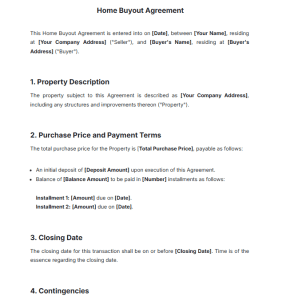 Refinance Florida Divorce Buy-Out Steps:
- Estimate the market value of the home, for example, = 500k
- Add up all the liens and determine the equity. Estimate the home value at 500k, and you own 200k in payoffs OR liens on your home = 500k value – 200k in payoffs = 300k in equity.
- Divide the equity if you’re splitting it 50 OR 50: 300k or 150k each.
Key Pieces To A Divorce Buy-Out Agreement:
- Parties Involved In Refinance, Divorce BuyOut: Identifies the property owner (landlord) and the individual or entity being asked to vacate (tenant or other party).Property Description: Specifies the address and a description of the property being subject to the Divorce BuyOut.
- Divorce BuyOut Consideration Amount: Details about the payment or other consideration offered by the property seller OR owner.
- Reason for Refinance Divorce BuyOut: The Divorce BuyOut might state the reason for the Divorce BuyOut, such as the property owner’s plans for the property.
- Vacation Date: Sets a specific date by which the party is asked to leave or vacate the property.
- Consequences of Non-Compliance: Outlines what happens if the tenant or other party fails to vacate the property by the agreed-upon date.
- Other Refinance Divorce BuyOut Conditions: Your Divorce BuyOut might include clauses regarding property condition, utilities, and any other relevant terms.
- Where to Find a Florida Divorce Buy-Out Agreement:Online: Several websites offer free or paid templates for real estate Divorce buy-out agreements.
- Legal Help: We recommend consulting a Florida divorce real estate attorney or a legal professional specializing in Florida Divorce BuyOut to help you draft or review your Florida agreement. Search the Florida bar for marital and family law certified lawyers.
Refinance Divorce Buy-Out Partner In Florida:
- Legal Review: It’s highly recommended to have the agreement reviewed by a legal professional before signing it to ensure it is enforceable and protects the parties’ interests.
- Clarity and Specificity: The agreement should be clear, concise, and specifically outline the terms and conditions of the Divorce BuyOut.
- Compliance with Florida Law: The agreement must comply with Florida’s landlord-tenant laws and other applicable regulations.
- Example: A Florida property owner might offer a tenant a financial Divorce BuyOut to voluntarily leave a property that they intend to renovate or convert to another use. The Divorce BuyOut agreement would outline the amount of the Divorce BuyOut, the date by which the tenant must vacate, and any other relevant conditions if the tenant does not vacate by the specified date.
Florida Divorce Refinance Rates By City
- 1 Live Oak, FL 11.0%
- 2 Defuniak Springs, FL 10.0%
- 3 Starke, FL 10.0%
- 4 Lake City, FL 10.0%
- 5 Springfield, FL 9.0%
- 6 Marianna, FL 8.0%
- 7 Macclenny, FL 8.0%
- 8 Palatka, FL 8.0%
- 9 Arcadia, FL 8.0%
- 10 Green Cove Springs, FL 7.0%
- 11 Holly Hill, FL 7.0%
- 12 South Bay, FL 7.0%
- 13 Panama City, FL 6.0%
- 14 Pensacola, FL 6.0%
- 15 Perry, FL 6.0%
- 16 Plant City, FL 6.0%
- 17 Quincy, FL 6.0%
- 18 Bartow, FL 6.0%
- 19 Ocala, FL 6.0%
- 20 Auburndale, FL 6.0%
- 21 Tavares, FL 6.0%
- 22 Wildwood, FL 6.0%
- 23 Inverness, FL 5.0%
- 24 High Springs, FL 5.0%
- 25 Milton, FL 5.0%
- 26 Mount Dora, FL 5.0%
- 27 Jacksonville, FL 5.0%
- 28 Jacksonville Beach, FL 5.0%
- 29 Dade City, FL 5.0%
- 30 Alachua, FL 5.0%
- 31 Fort Pierce, FL 5.0%
- 32 Riviera Beach, FL 5.0%
- 33 Avon Park, FL 5.0%
- 34 Fruitland Park, FL 4.0%
- 35 Winter Haven, FL 4.0%
- 36 Groveland, FL 4.0%
- 37 West Park, FL 4.0%
- 38 Titusville, FL 4.0%
- 39 Tampa, FL 4.0%
- 40 Tallahassee, FL 4.0%
- 41 Stuart, FL 4.0%
- 42 Lakeland, FL 4.0%
- 43 Orange City, FL 4.0%
- 44 St. Petersburg, FL 4.0%
- 45 Lynn Haven, FL 4.0%
- 46 St. Augustine, FL 4.0%
- 47 Maitland, FL 4.0%
- 48 South Pasadena, FL 4.0%
- 49 South Daytona, FL 4.0%
- 50 Sanford, FL 4.0%
- 51 Fort Walton Beach, FL 4.0%
- 52 Pahokee, FL 4.0%
- 53 Okeechobee, FL 4.0%
- 54 Orange Park, FL 4.0%
- 55 Leesburg, FL 4.0%
- 56 Miami Gardens, FL 4.0%
- 57 Belle Glade, FL 4.0%
- 58 Brooksville, FL 4.0%
- 59 Cocoa, FL 4.0%
- 60 Crestview, FL 4.0%
- 61 Daytona Beach, FL 4.0%
- 62 Deland, FL 4.0%
- 63 Callaway, FL 4.0%
- 64 Fort Meade, FL 4.0%
- 65 Altamonte Springs, FL 3.0%
- 66 Melbourne, FL 3.0%
- 67 Temple Terrace, FL 3.0%
- 68 Miami Lakes, FL 3.0%
- 69 Bay Harbor Islands, FL 3.0%
- 70 Miami Springs, FL 3.0%
- 71 Fort Lauderdale, FL 3.0%
- 72 Tarpon Springs, FL 3.0%
- 73 South Miami, FL 3.0%
- 74 Gulfport, FL 3.0%
- 75 Newberry, FL 3.0%
- 76 Oakland Park, FL 3.0%
- 77 Ocoee, FL 3.0%
- 78 Fort Myers, FL 3.0%
- 79 Orlando, FL 3.0%
- 80 Palm Bay, FL 3.0%
- 81 Pinellas Park, FL 3.0%
- 82 Pompano Beach, FL 3.0%
- 83 Bradenton, FL 3.0%
- 84 Rockledge, FL 3.0%
- 85 Royal Palm Beach, FL 3.0%
- 86 Casselberry, FL 3.0%
- 87 St. Augustine Beach, FL 3.0%
- 88 Sarasota, FL 3.0%
- 89 Gainesville, FL 3.0%
- 90 Sebring, FL 3.0%
- 91 Cape Canaveral, FL 3.0%
- 92 Longwood, FL 3.0%
- 93 Lauderhill, FL 3.0%
- 94 New Smyrna Beach, FL 3.0%
- 95 Key West, FL 3.0%
- 96 Florida City, FL 3.0%
- 97 Fernandina Beach, FL 3.0%
- 98 Homestead, FL 3.0%
- 99 Apopka, FL 3.0%
- 100 Eustis, FL 3.0%
Florida Divorce Buyout Cashout Refinance In All Florida:
| Alachua | Alachua County |
| Alford | Jackson County |
| Altamonte Springs | Seminole County |
| Altha | Calhoun County |
| Anna Maria | Manatee County |
| Apalachicola | Frankin County |
| Apopka | Orange County |
| Arcadia | DeSoto County |
| Archer | Alachua County |
| Astatula | Lake County |
| Atlantic Beach | Duval County |
| Atlantis | Palm Beach County |
| Auburndale | Polk County |
| Aventura | Miami-Dade County |
| Avon Park | Highlands County |
| Bal Harbor | Miami-Dade County |
| Baldwin | Duval County |
| Bartow | Polk County |
| Bascom | Jackson County |
| Bay Harbor Islands | Miami-Dade County |
| Bay Lake | Orange County |
| Bell | Gilchrist County |
| Belle Glade | Palm Beach County |
| Belle Isle | Orange County |
| Belleair | Pinellas County |
| Belleair Beach | Pinellas County |
| Belleair Bluffs | Pinellas County |
| Belleair Shore | Pinellas County |
| Belleview | Marion County |
| Beverly Beach | Flagler County |
| Biscayne Park | Miami-Dade County |
| Blountstown | Calhoun County |
| Boca Raton | Palm Beach County |
| Bonifay | Holmes County |
| Bonita Springs | Lee County |
| Bowling Green | Hardee County |
| Boynton Beach | Palm Beach County |
| Bradenton Beach | Manatee County |
| Bradenton | Manatee County |
| Branford | Suwannee County |
| Briny Breezes | Palm Beach County |
| Bristol | Liberty County |
| Bronson | Levy County |
| Brooker | Bradford County |
| Brooksville | Hernando County |
| Bunnell | Flagler County |
| Bushnell | Sumter County |
| Callahan | Nassau County |
| Callaway | Bay County |
| Cambelton | Jackson County |
| Cape Canaveral | Brevard County |
| Cape Coral | Lee County |
| Carrabelle | Frankin County |
| Caryville | Washington County |
| Casselberry | Seminole County |
| Cedar Grove | Bay County |
| Cedar Key | Levy County |
| Center Hill | Sumter County |
| Century | Escambia County |
| Chattahoochee | Gadsden County |
| Chiefland | Levy County |
| Chipley | Washington County |
| Cinco Bayou | Okaloosa County |
| Clearwater | Pinellas County |
| Clermont | Lake County |
| Clewiston | Hendry County |
| Cloud Lake | Palm Beach County |
| Cocoa | Brevard County |
| Cocoa Beach | Brevard County |
| Coconut Creek | Broward County |
| Coleman | Sumter County |
| Cooper City | Broward County |
| Coral Gables | Miami-Dade County |
| Coral Springs | Broward County |
| Cottondale | Jackson County |
| Crawfordville | Wakulla County |
| Crescent City | Putnam County |
| Crestview | Okaloosa County |
| Cross City | Dixie County |
| Crystal River | Citrus County |
| Dade City | Pasco County |
| Dania Beach | Broward County |
| Davenport | Polk County |
| Davie | Broward County |
| Daytona Beach | Volusia County |
| Daytona Beach Shores | Volusia County |
| DeBary | Volusia County |
| Deerfield Beach | Broward County |
| DeFuniak Springs | Walton County |
| DeLand | Volusia County |
| Delray Beach | Palm Beach County |
| Deltona | Volusia County |
| Destin | Okaloosa County |
| Doral | Miami-Dade County |
| Dundee | Polk County |
| Dunedin | Pinellas County |
| Dunnellon | Marion County |
| Eagle Lake | Polk County |
| Eatonville | Orange County |
| Ebro | Washington County |
| Edgewater | Volusia County |
| Edgewood | Orange County |
| El Portal | Miami-Dade County |
| Esto | Holmes County |
| Eustis | Lake County |
| Everglades City | Collier County |
| Fanning Springs* | Gilchrist County |
| Fanning Springs* | Levy County |
| Fellsmere | Indian River County |
| Fernandina Beach | Nassau County |
| Flagler Beach | Flagler County |
| Florida City | Miami-Dade County |
| Fort Lauderdale | Broward County |
| Fort Meade | Polk County |
| Fort Myers Beach | Lee County |
| Fort Myers | Lee County |
| Fort Pierce | St. Lucie County |
| Fort Walton Beach | Okaloosa County |
| Fort White | Columbia County |
| Freeport | Walton County |
| Frostproof | Polk County |
| Fruitland Park | Lake County |
| Gainesville | Alachua County |
| Glen Ridge | Palm Beach County |
| Glen Saint Mary | Baker County |
| Golden Beach | Miami-Dade County |
| Golf | Palm Beach County |
| Golfview | Palm Beach County |
| Graceville | Jackson County |
| Grand Ridge | Jackson County |
| Green Cove Springs | Clay County |
| Greenacres | Palm Beach County |
| Greensboro | Gadsden County |
| Greenvilee | Madison County |
| Greenwood | Jackson County |
| Gretna | Gadsden County |
| Groveland | Lake County |
| Gulf Breeze | Santa Rosa County |
| Gulf Stream | Palm Beach County |
| Gulfport | Pinellas County |
| Haines City | Polk County |
| Hallandale | Broward County |
| Hampton Beach | Bradford County |
| Hastings | St. Johns County |
| Havana | Gadsden County |
| Haverhill | Palm Beach County |
| Hawthorne | Alachua County |
| Hialeah | Miami-Dade County |
| Hialeah Gardens | Miami-Dade County |
| High Springs | Alachua County |
| Highland Beach | Palm Beach County |
| Highland Park | Polk County |
| Hillcrest Heights | Polk County |
| Hilliard | Nassau County |
| Hillsboro Beach | Broward County |
| Holly Hill | Volusia County |
| Hollywood | Broward County |
| Holmes Beach | Manatee County |
| Homestead | Miami-Dade County |
| Horseshoe Beach | Dixie County |
| Howey-in-the-Hills | Lake County |
| Hupoluxo | Palm Beach County |
| Indialantic | Brevard County |
| Indian Creek | Miami-Dade County |
| Indian Harbour Beach | Brevard County |
| Indian River Shores | Indian River County |
| Indian Rocks Beach | Pinellas County |
| Indian Shores | Pinellas County |
| Inglis | Levy County |
| Interlachen | Putnam County |
| Inverness | Citrus County |
| Islamorada | Monroe County |
| Islandia | Miami-Dade County |
| Jacksonville Beach | Duval County |
| Jacksonville | Duval County |
| Jacob | Jackson County |
| Jasper | Hamilton County |
| Jay | Santa Rosa County |
| Jennings | Hamilton County |
| Juno Beach | Palm Beach County |
| Jupiter | Palm Beach County |
| Jupiter Inlet Colony | Palm Beach County |
| Jupiter Island | Martin County |
| Kenneth City | Pinellas County |
| Key Biscayne | Miami-Dade County |
| Key Colony Beach | Monroe County |
| Key West | Monroe County |
| Keystone Heights | Clay County |
| Kissimmee | Osceola County |
| La Crosse | Alachua County |
| LaBelle | Hendry County |
| Lady Lake | Lake County |
| Lake Alfred | Polk County |
| Lake Buena Vista | Orange County |
| Lake Butler | Union County |
| Lake City | Columbia County |
| Lake Clarke Shores | Palm Beach County |
| Lake Hamilton | Polk County |